Online Gallery
Buy Asian Art Instantly
Take a look through our online gallery and explore a unique range of art and antiques that can be purchased at any time, independent of our scheduled auctions. All items are first-come, first-served. We suggest searching by the lot title if you are interested in a specific lot.
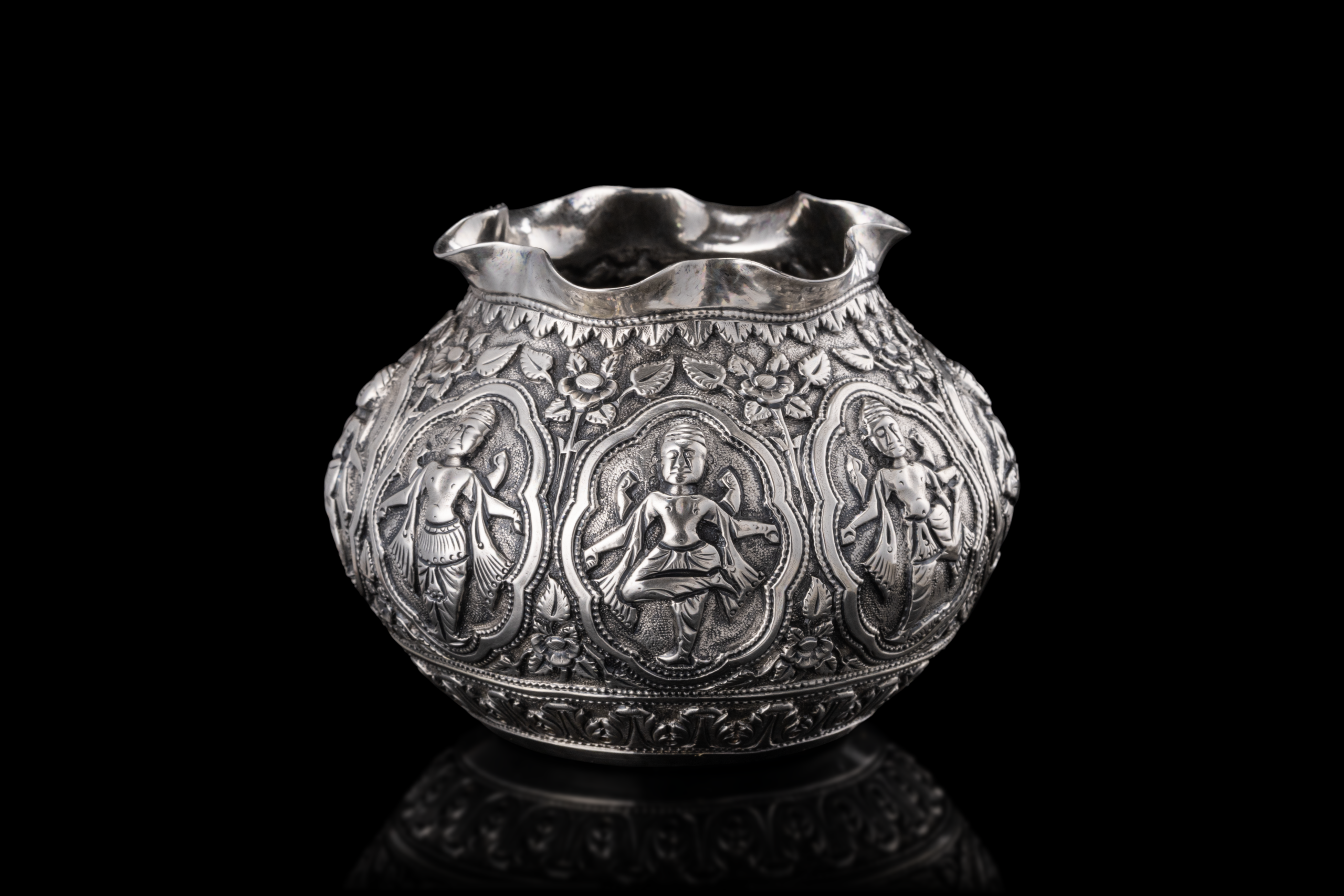
Pot, Silver, Chennai, Tamil Nadu, Southern India, ca. 1865-85.
Pot, Silver, Chennai, Tamil Nadu, Southern India, ca. 1865-85.
REGISTERED ANTIQUITY - NON-EXPORTABLE ITEM. Object Detail This Silver pot is crafted using the repoussé technique. It opens up like a flower in the moonlight. At the centre, framed within arch-like mandorlas, figures—possibly avatars of Viṣṇu or ethereal ...read more

Raghavendra Swamy, Bronze, Possibly Karnataka, Southern India, ca 1890.
Raghavendra Swamy, Bronze, Possibly Karnataka, Southern India, ca 1890.
REGISTERED ANTIQUITY - NON-EXPORTABLE ITEM. Object Detail This small bronze depicts Sri Raghavendra Swamy (1595–1671), the philosopher-saint of the Dvaita Vedanta tradition and spiritual head of the Uttaradi Matha. He is also known as Raghavendra Tirtha. It is ...read more

Rare and Magnificent Tray, Silver, Possibly Bhuj, Kutch, Gujarat, Western India, ca 1870.
Rare and Magnificent Tray, Silver, Possibly Bhuj, Kutch, Gujarat, Western India, ca 1870.
REGISTERED ANTIQUITY - NON-EXPORTABLE ITEM. Object Detail This silver tray from Kutch is a striking example of the artistry and skill that made the Bhuj workshops famous in the late nineteenth century. Circular in shape, it has a ...read more

Rare Fish Shape Spoon Rest, Silver, Chennai, Tamil Nadu, Southern India, ca. 1870.
Rare Fish Shape Spoon Rest, Silver, Chennai, Tamil Nadu, Southern India, ca. 1870.
REGISTERED ANTIQUITY - NON-EXPORTABLE ITEM. Object Detail This rare silver spoon rest, crafted during the colonial period, is a fine example of how utilitarian objects could be elevated into works of art. Used in kitchens to rest a ...read more
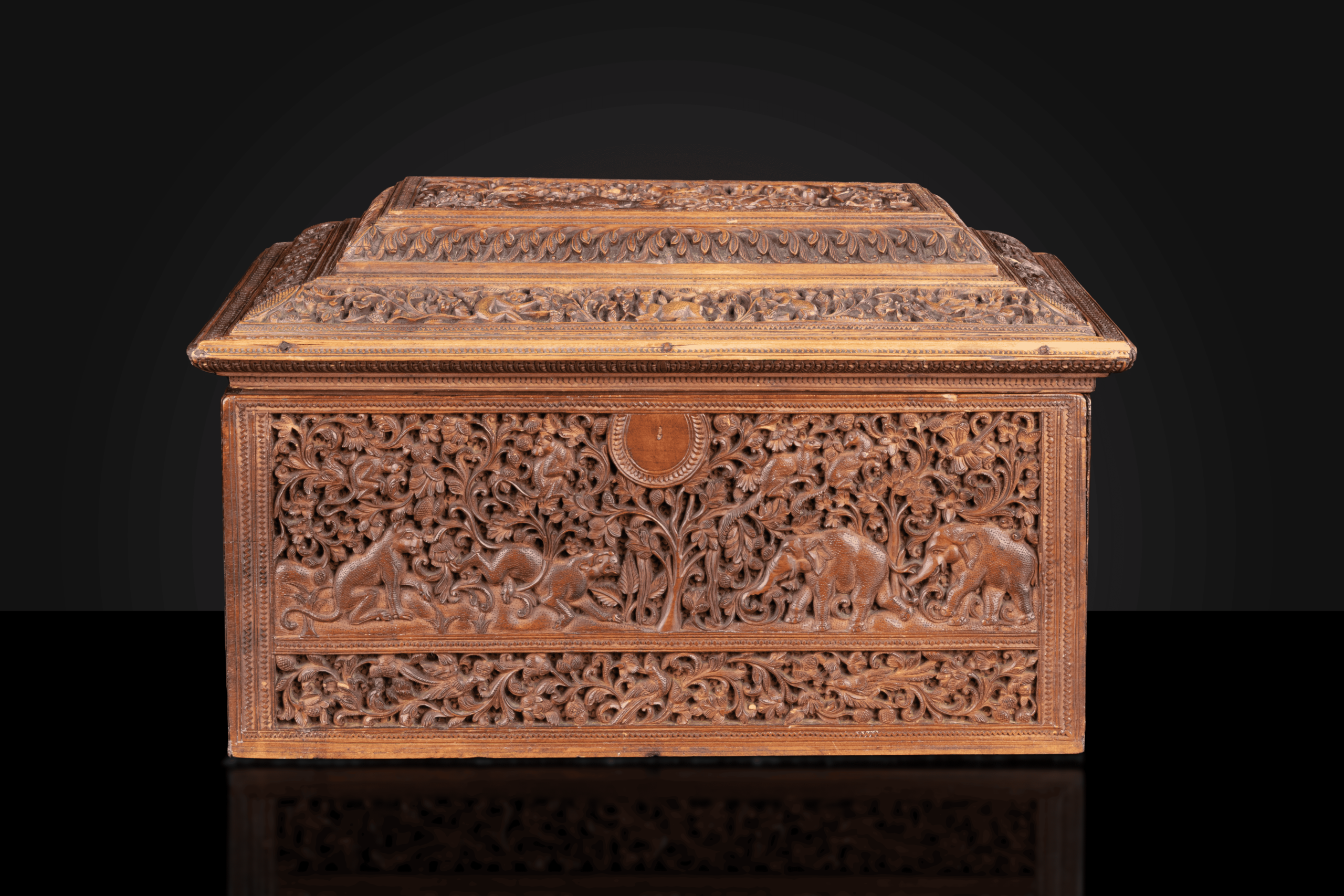
Sarcophagus Box, Carved Sandalwood, Mysore, Karnataka, Southern India c.a. 1860-1880.
Sarcophagus Box, Carved Sandalwood, Mysore, Karnataka, Southern India c.a. 1860-1880.
REGISTERED ANTIQUITY - NON-EXPORTABLE ITEM. Object Detail Mysore, known as the Sandalwood City of India, is famous for its extensive sandalwood forests and exquisite woodwork. A remarkable example is a sarcophagus box from the era of a British ...read more
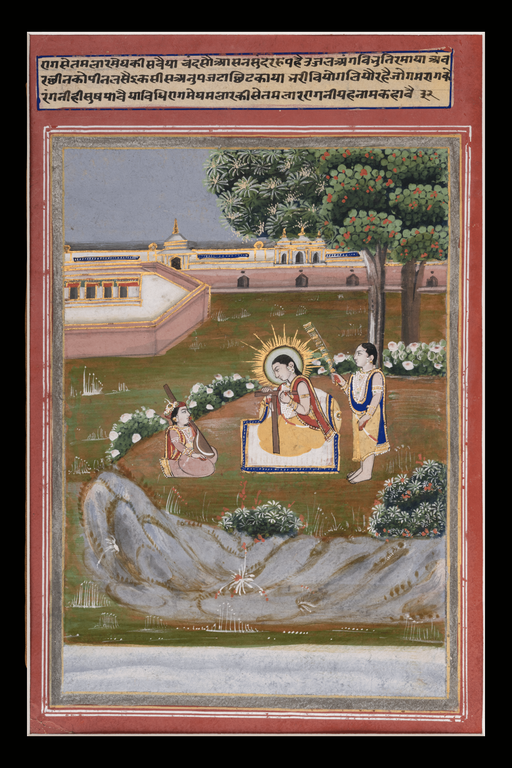
Seth-Malhara Ragini, Miniature Painting, Possibly Jaipur, Rajasthan, North-Western India, ca. 1820-1840.
Seth-Malhara Ragini, Miniature Painting, Possibly Jaipur, Rajasthan, North-Western India, ca. 1820-1840.
REGISTERED ANTIQUITY - NON-EXPORTABLE ITEM. Object Detail Rāgamālā paintings are a unique art form that visually represent Indian classical music. The Jaipur School of Art, which thrived in the 18th century, is well-known for its special style of ...read more
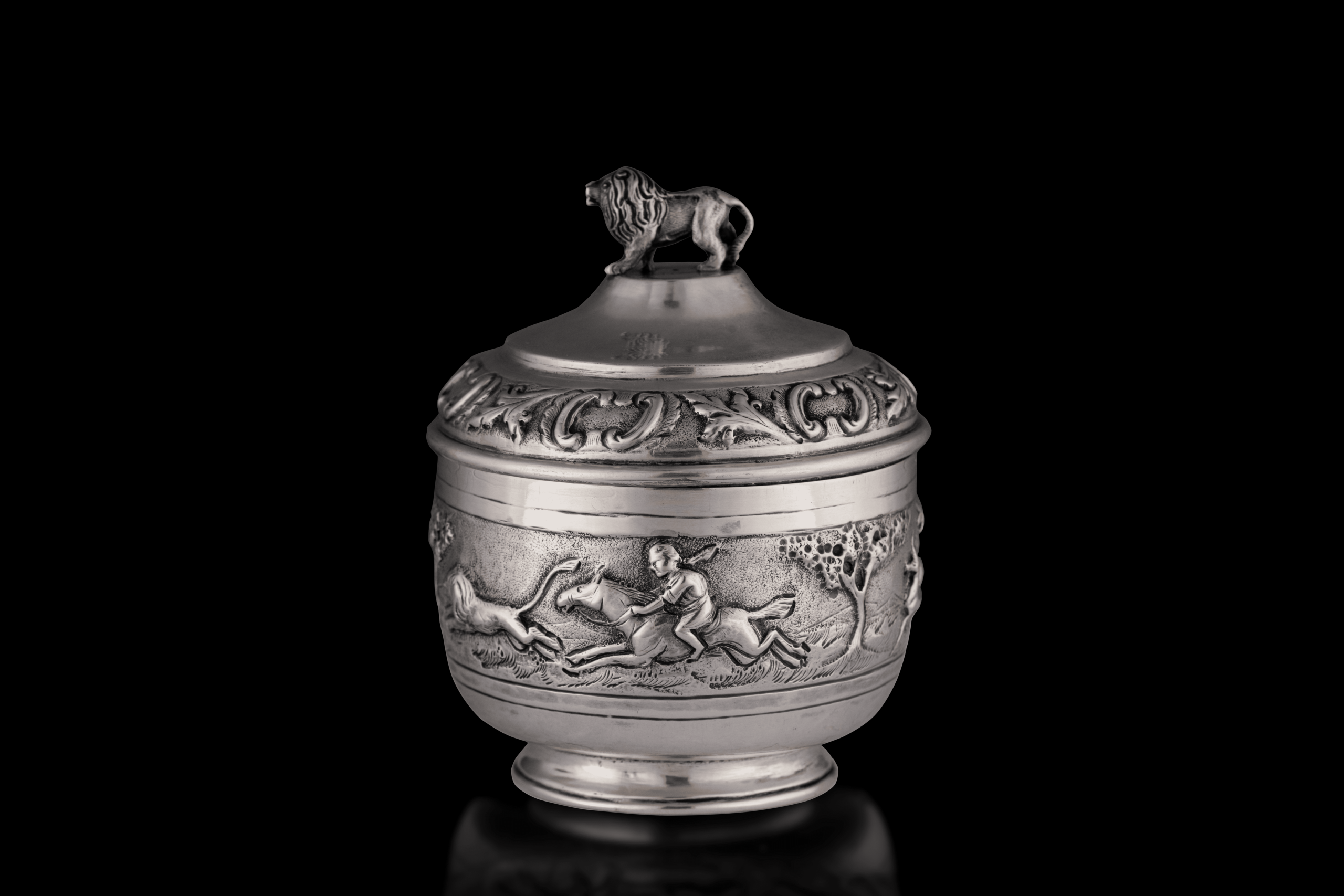
Tea Caddy, Silver, Kolkata, West Bengal, Eastern India, ca.1810-1820.
Tea Caddy, Silver, Kolkata, West Bengal, Eastern India, ca.1810-1820.
REGISTERED ANTIQUITY - NON-EXPORTABLE ITEM. Object Details This silverware was likely produced in early 19th-century Calcutta. The Lion finial on top attracts the viewer’s eye. The lion appears victorious, alert, and progressing. Lion is a symbol of power ...read more
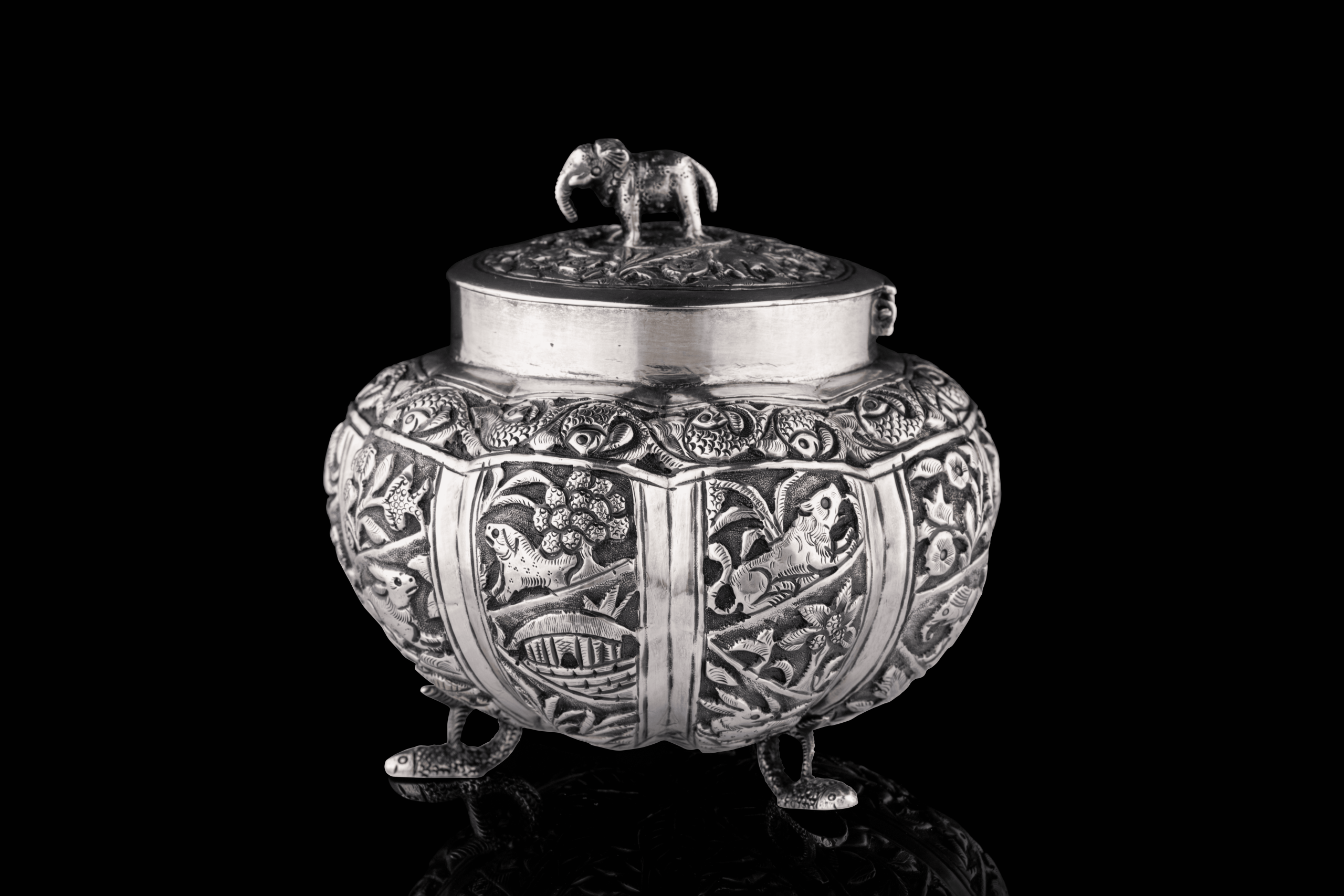
Tea Caddy, Silver, Lucknow, Uttar Pradesh, North-Eastern India, ca. 1890.
Tea Caddy, Silver, Lucknow, Uttar Pradesh, North-Eastern India, ca. 1890.
REGISTERED ANTIQUITY - NON-EXPORTABLE ITEM. Object Detail This is a silver tea ware with a beautiful bulbous body that tapers subtly towards the top, culminating in a flat, attachable lid. Its overall globular form is reminiscent of exquisite ...read more

Temple Bell / Bell Clapper, Bronze, Tamil Nadu, Southern India.
Temple Bell / Bell Clapper, Bronze, Tamil Nadu, Southern India.
NON-EXPORTABLE ITEM. Object Detail It is a South Indian ritual bell (in Sanskrit, a ghanta or ghanti), made of bronze, used in Hindu devotional and temple practice. The bell is crowned by a sculptural representation of Nandi, the ...read more

The priest and his wife performing pūjā, Miniature Painting, Deccan, Hyderabad, ca 1720 – 1730.
The priest and his wife performing pūjā, Miniature Painting, Deccan, Hyderabad, ca 1720 – 1730.
REGISTERED ANTIQUITY - NON-EXPORTABLE ITEM. Object Detail This miniature painting is carefully structured within a rectilinear format that establishes a clear hierarchy of space. The composition unfolds across distinct layers: a foreground terrace floor, mid-ground figures, and ...read more
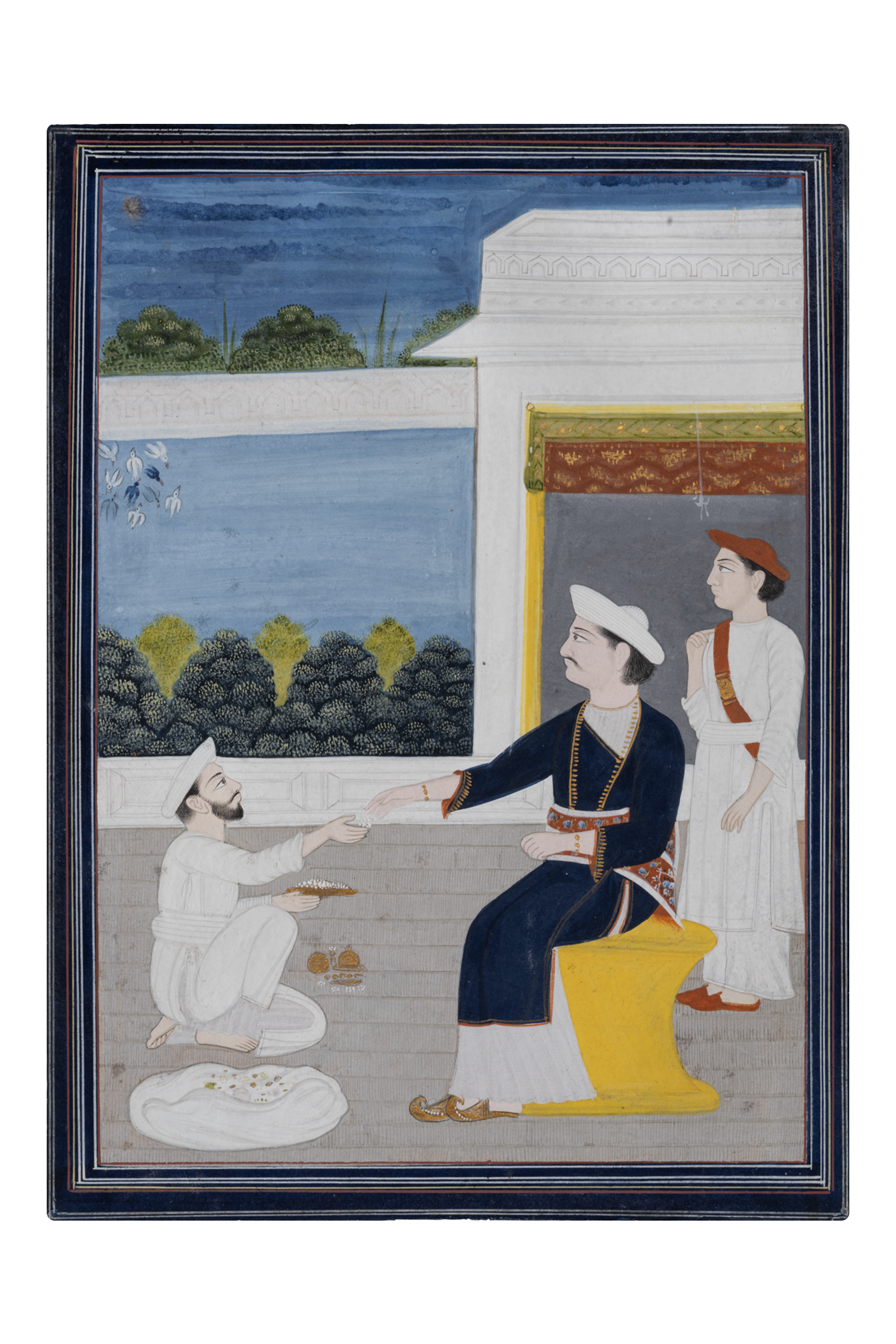
The Ruler is Examining the Jewels, Miniature Painting, Deccan, Hyderabad, Southern India, ca 1720-1730.
The Ruler is Examining the Jewels, Miniature Painting, Deccan, Hyderabad, Southern India, ca 1720-1730.
REGISTERED ANTIQUITY - NON-EXPORTABLE ITEM. Object Detail This early 18th-century Deccani miniature from the Hyderabad school portrays a royal figure seated on a bright yellow stool or gilded cushion, examining jewels offered by a tradesman. Before him kneels ...read more

Tiger-Head Palanquin Finial, Brass, Deccan, Possibly Karnataka, Southern India, c.a 1870-1890.
Tiger-Head Palanquin Finial, Brass, Deccan, Possibly Karnataka, Southern India, c.a 1870-1890.
REGISTERED ANTIQUITY - NON-EXPORTABLE ITEM. Object Detail This tiger-head palanquin finial comes from the Deccan region and is attributed to the period ca. 1870–1890 C.E. It is a brass zoomorphic ornament and is designed for a wooden pole ...read more

